
Word of the onsen
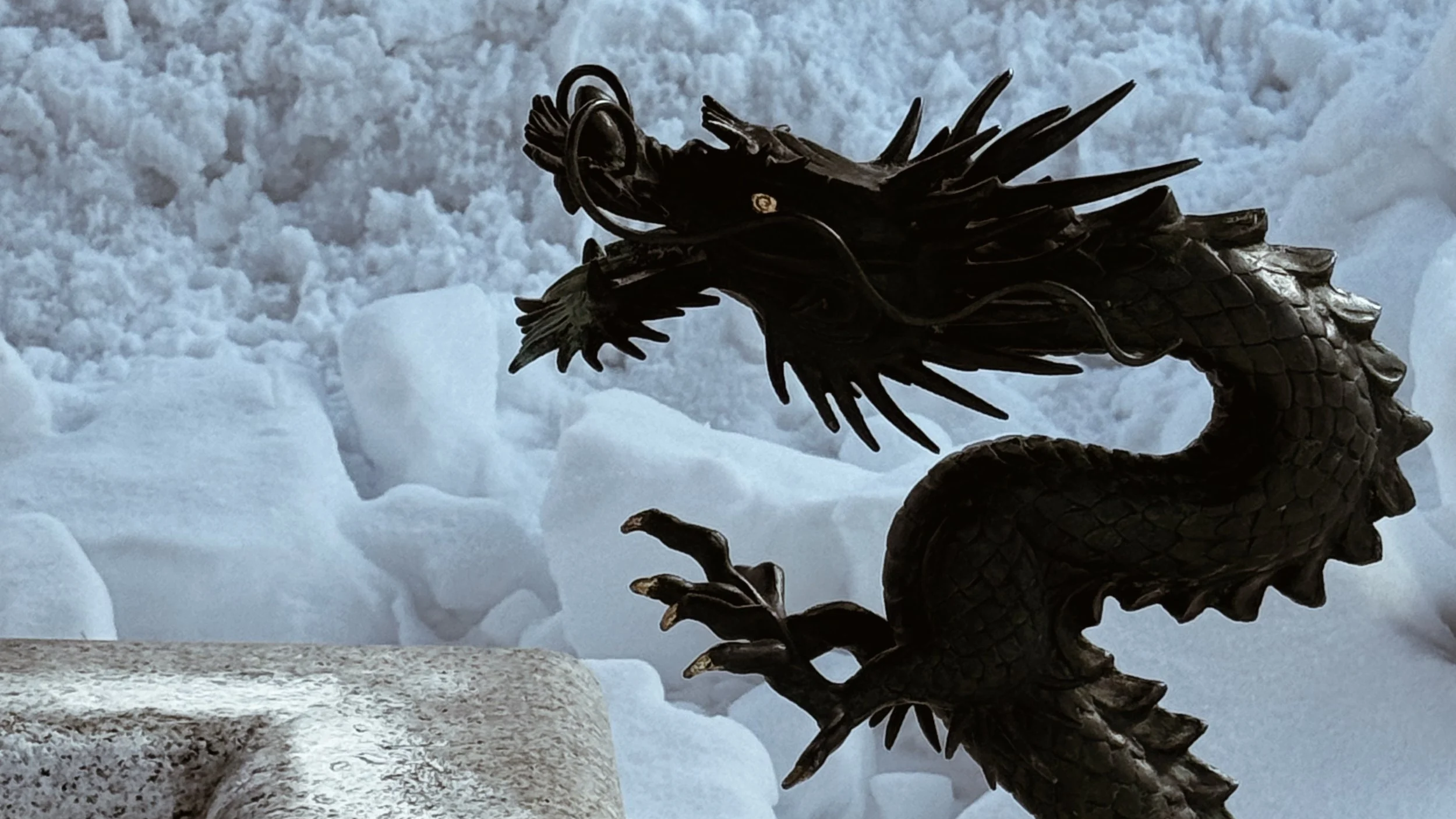
In Japan, we’d get naked & onsen most days after skiing. What a treat! To ski all day! To immerse oneself in hot water full of healing minerals! To rejuvenate tired muscles & sore joints while simultaneously rewiring the brain from deeply ingrained beliefs about self!
The onsen is a traditional Japanese hot spring- a central pillar of the culture. The bathing ritual is one rooted in Shinto tradition: a cleansing of the mind, body & soul. They’re found everywhere around the country, always in close proximity to a volcano and some source of moving water. The fact that the hot spring water is directly created by volcanic activity adds to the earthly, healing effect it seems to have on the psyche. Submerging oneself into water heated straight from earth’s core, it doesn’t get much more grounding than that.
Heat from the source, warming you and me, the very vessels that are 70% water… How inexplicably intertwined we all are!
There are a few rules once you enter an onsen facility. They are separated by gender. You have to fully clean yourself before and after entering the bath. You must be nude. Why nude? I was wondering the same.
Cleanliness is culturally significant in Japan. It has to do with purity, respect, and a shared responsibility the community holds for one another. No bathing suit means no complications from the outside world get brought in. Without clothes, displays of wealth & betterment & dissimilarity disappear. The bath is a space stripped of all social status and hierarchy. In the water, everyone is equal.
I was raised in a naked household and when I was a little kid, I found it so odd that other people found that odd. We grew up going to Norway in the summers and all the little kids (including my sisters, cousins, and I) ran around naked and that’s just the way it was. It’s not weird unless you make it weird. And if you make it weird, you’re weird.
It wasn’t until middle school that I became aware that not everyone grew up skinny dipping with their family. I started absorbing the language of my peers, of the media, of the government. When the subconscious norm is to constantly critique your own body, you start to constantly critique your own body. Self hatred was instilled into so many of us at such a young age. What a confusing message for an 11 year old to receive.
The objectification, oversexualization, and shame that the US forces upon the naked body is something I can never forgive.
Since spending almost a month in Japan, I haven’t been able to stop thinking about this- how socially constructed our perspectives on nudity are. As a woman, I grew up watching the female body get commodified on every front. I watched women get sexualized and exploited simply for existing. When the collective female experience is to be watched, used, abused, & torn apart, it becomes impossible to separate nudity and sexualization. The two become one and the same & being naked in front of other people becomes something much more complicated than it ever needed to be. The body is not meant to be perceived 24/7.
It was incredibly refreshing to onsen in an only women's setting, where a naked body is no more than a naked body. It allowed for the opportunity to observe and start to let go of some of those deeply ingrained feelings I held on nudity. My own discomfort is deeply tied to personal & collective societal trauma. To feed into the delusion that a body can be “flawed” perpetuates patriarchal ways of living and truly, from the bottom of my heart: fuck that shit. Every human looks slightly different, and that might just be the most beautiful thing in the whole world.
This new perception has pushed me to intentionally carry myself with more confidence. When the hateful self critiques start to enter the thought flow, I try to acknowledge what’s really going down & reframe it.
They want us so badly to doubt ourselves & to change ourselves. Entire industries profit off it. So right now, self love is an act of rebellion.
At the end of the day, we are all just vessels. To live in shame of the bodies that sustain us is not only a culturally constructed phenomenon, it’s a colossal waste of time.
I’ve gotten to a point where it’s become inevitable to connect with nature without reflecting on some of these ingrained patterns of living. We really do live in a world of manufactured behaviors. To realize that and let go of some of those harmful perceptions is oh so liberating.
Once again, a cultural practice in a new country taught me something I’ll carry for the rest of my life. Thank you Japan. Arrigato gozaimasu.
